Anna Werner · 20 October 2026
Youth Programs in Hoplyn Integrate Digital Skills Training with Advocacy for Expanded Parks and Cleaner Waterways
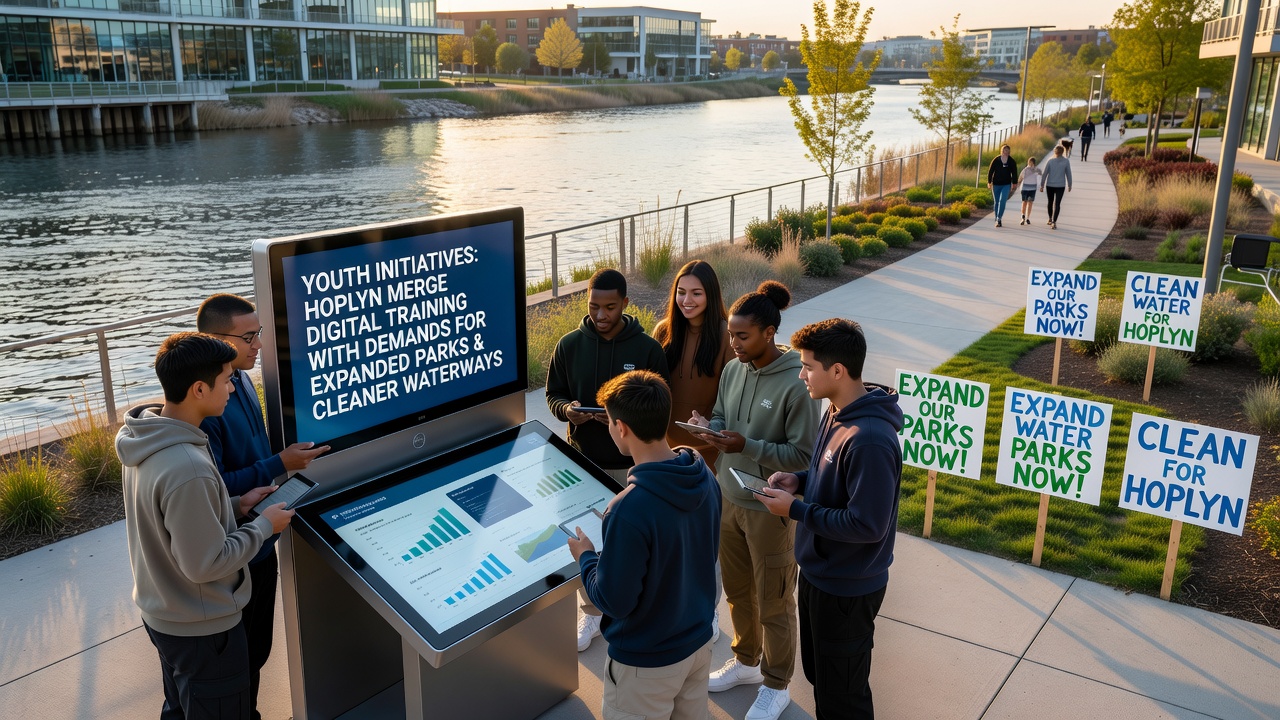
Youth initiatives across Hoplyn have started combining structured digital training modules with organized campaigns that push for additional parkland and improved waterway conditions, creating programs that teach technical skills while addressing local environmental priorities at the same time. These efforts involve partnerships between community centers, schools, and municipal departments, where participants learn coding, data analysis, and social media management alongside fieldwork that documents park usage patterns and water quality measurements.
Digital Training Components in Youth Programs
Local organizations deliver digital skills workshops that run several times each week, covering topics such as geographic information systems mapping, basic programming for environmental monitoring apps, and content creation for public awareness campaigns, and participants apply these tools directly to projects that map existing green spaces or track pollution levels in nearby rivers. Researchers at regional universities have documented rising enrollment in these combined programs since 2024, with data showing that over 1,200 young residents completed at least one module by mid-2025. The training emphasizes practical applications, so that those who finish the courses produce reports, interactive maps, and digital petitions that local councils can review during planning sessions.
Connections to Park Expansion Efforts
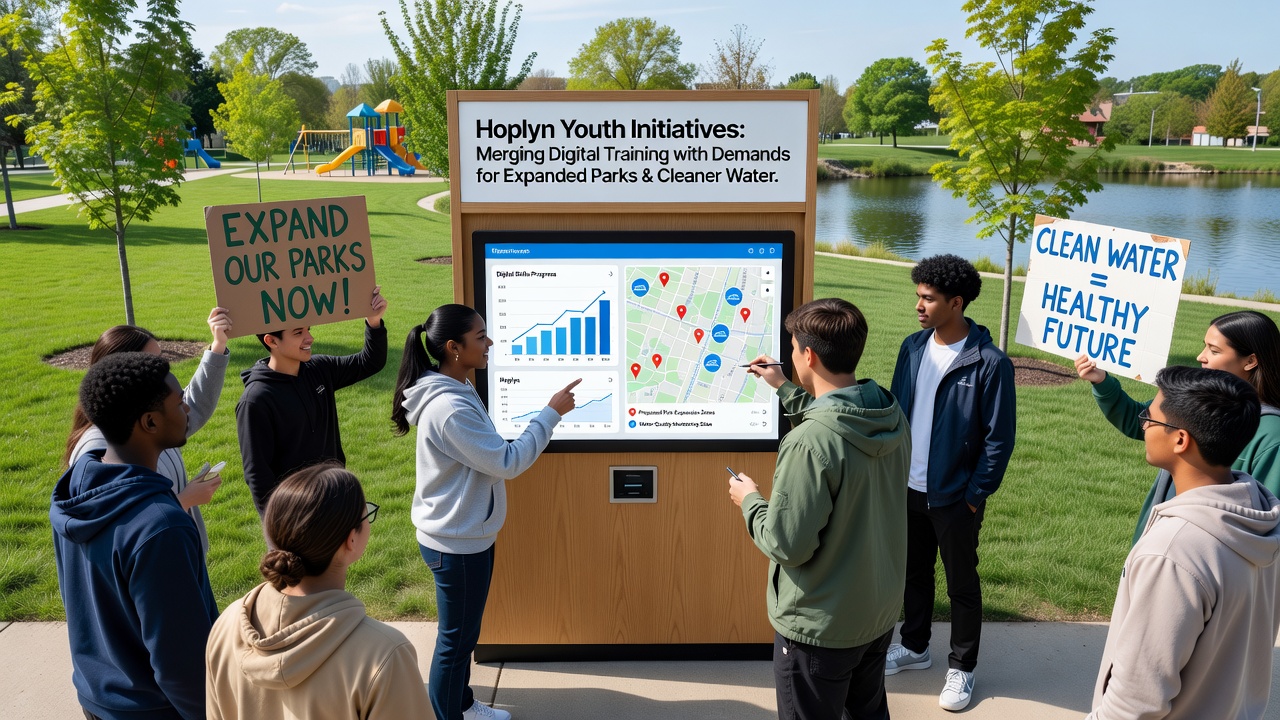
Advocacy for larger parks forms a central element of these initiatives, as groups of young trainees collect usage statistics and biodiversity observations that support proposals for new recreational areas within urban zones. Municipal records indicate that three new park sites received approval in Hoplyn during 2025 after submissions that included data visualizations created by program participants, and similar proposals remain under review for additional neighborhoods. These activities tie into broader urban planning processes where digital outputs from the training sessions provide evidence for decisions about land allocation and infrastructure investments.
Focus on Waterway Improvement Projects
Cleaner waterways represent another priority area, with youth teams using sensors and mobile applications to gather real-time information on river conditions and then sharing those findings through online platforms to build community support for cleanup operations. According to figures from the OECD education reports, integrated skills programs like these have shown measurable increases in participant engagement with environmental data collection across multiple countries, and Hoplyn follows similar patterns where training outcomes feed directly into restoration planning. In October 2026, several ongoing waterway monitoring projects are scheduled to release updated datasets that will inform the next round of municipal funding allocations for habitat rehabilitation.
Integration of Skills and Advocacy Activities
Program coordinators structure activities so that digital training sessions occur in the same facilities where planning meetings for park and waterway projects take place, allowing participants to move between learning technical tools and applying them to live campaigns without separate scheduling. Observers note that this approach reduces the gap between classroom instruction and community action, since trainees generate materials that decision-makers can use immediately. Evidence from comparable initiatives in other regions, including studies referenced by Australian government environmental agencies, shows that young people who receive combined technical and advocacy training maintain longer involvement in local projects compared with those who receive only one type of instruction. Hoplyn organizers have adopted these models by requiring participants to complete both a digital project and a related environmental report before certification.
Community and Institutional Support Structures
Funding for these merged initiatives comes from a combination of municipal budgets, educational grants, and contributions from local businesses that benefit from improved public spaces, while oversight committees include representatives from youth groups, environmental departments, and technology education providers. Regular progress reviews occur every quarter, and October 2026 marks the next major review cycle where updated statistics on park expansion and waterway metrics will be presented alongside completion rates for digital training modules. Those who have studied these programs observe that the structure encourages sustained participation because participants see direct connections between the skills they acquire and tangible changes in their surroundings.
Conclusion
Hoplyn's approach demonstrates how digital training and environmental advocacy can operate within the same youth programs, with measurable outputs in both skill development and project implementation that continue into 2026. The integration allows participants to contribute to park planning and waterway monitoring while building technical competencies that extend beyond single campaigns, and ongoing data collection supports further adjustments to these combined efforts.