Wendy Zimmermann · 6 October 2026
Hoplyn's Transit Upgrades Spark Unexpected Artisan Market Collaborations
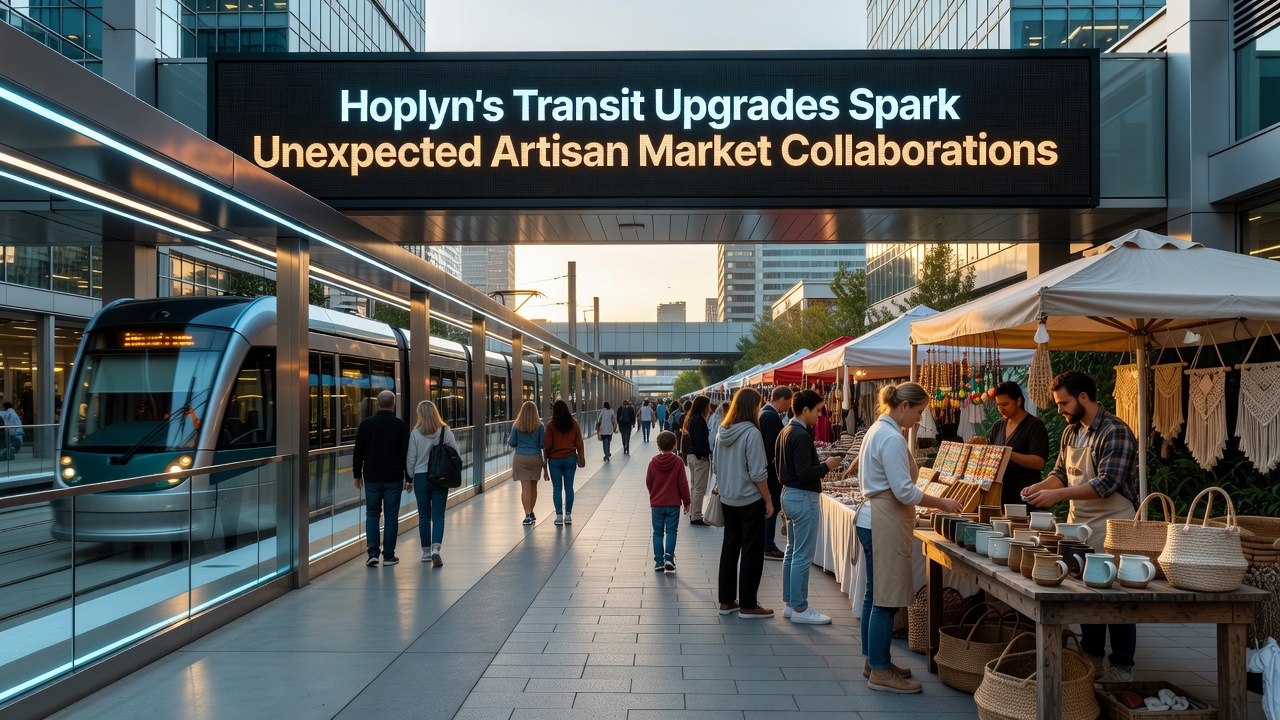
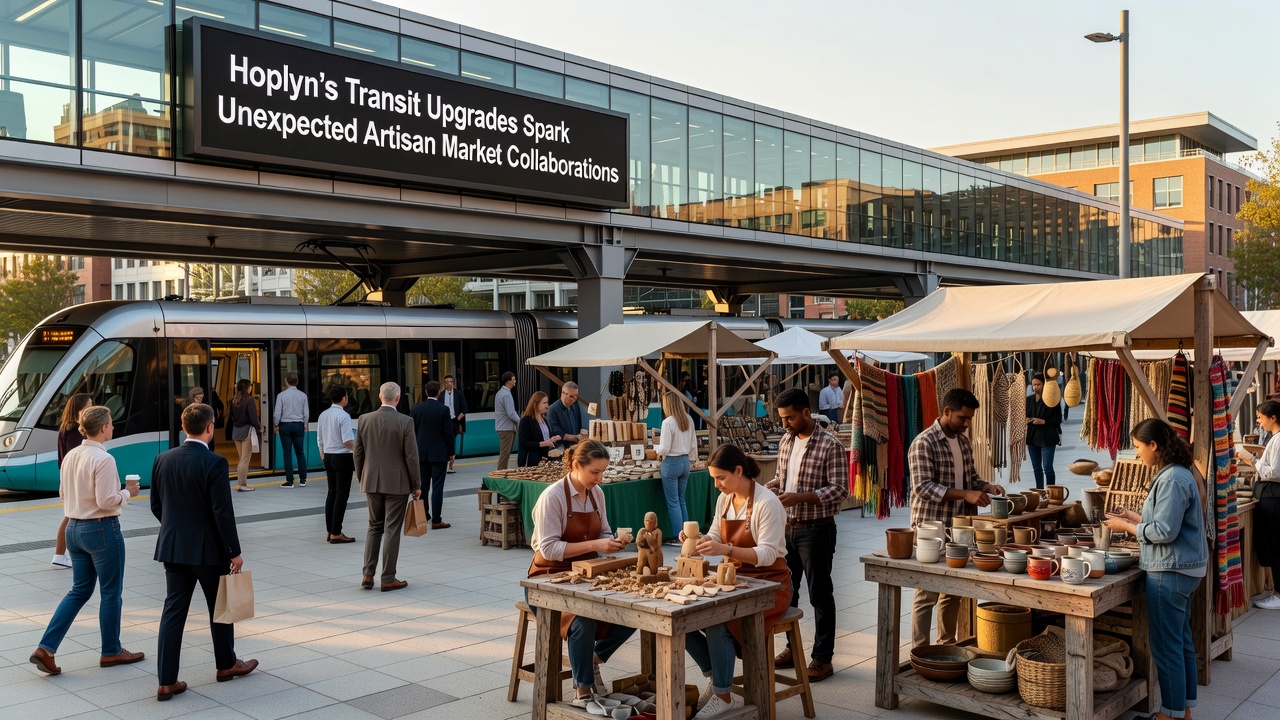
Hoplyn's ongoing transit network expansions have created new physical spaces where local craftspeople now operate temporary stalls and pop-up displays alongside daily commuter flows, with initial partnerships formalized in October 2026. The upgrades involve extended rail lines and redesigned station plazas that allocate dedicated zones for short-term vendor permits, turning routine infrastructure work into venues for small-scale commerce.
Transit Infrastructure Changes
Construction crews completed the northern corridor extension in late 2025, adding three stations equipped with wider concourses and weather-protected seating areas that double as market footprints during off-peak hours. Regional transport authorities coordinated with planning departments to embed modular fixtures such as retractable display units and power hookups directly into platform edges, allowing artisans to set up without permanent structural alterations. Data from the Hoplyn Mobility Authority shows passenger volumes rose 18 percent along the new route within the first quarter of operation, creating consistent foot traffic that vendors rely on for sales.
Engineers incorporated acoustic panels and lighting arrays calibrated for both safety and product visibility, which artisans later adapted for evening craft demonstrations. These modifications emerged from joint workshops held between transit engineers and representatives from the Hoplyn Artisan Guild, where participants mapped daily commuter patterns against typical market operating times.
Partnership Formation Process
Initial meetings between transit officials and artisan groups began after a pilot program at the central interchange station revealed unused square footage near ticket barriers. Guild members proposed rotating schedules that align with train timetables, limiting setup to two-hour windows between rush periods. Transport planners adjusted maintenance access routes to accommodate these intervals, resulting in shared calendars published monthly on the regional transit portal.
One documented arrangement pairs ceramicists with the early-afternoon dwell time at the riverfront station, where natural light from newly installed skylights highlights glaze details. Woodworkers occupy the same space in the late morning, when heavier foot traffic from school routes provides visibility for larger pieces. Contracts specify shared insurance coverage and waste removal protocols managed through the transit authority's existing vendor services.
Examples from October 2026 Rollout
By October 2026 the program expanded to five additional stations, each hosting two artisan slots per weekday. At the east district hub, textile artists installed portable looms during midday lulls, drawing commuters who paused to observe weaving techniques before boarding. Station logs record an average of 47 vendor transactions per slot during that month, with payment processed through contactless terminals already installed for transit fares.
Another location near the industrial heritage district featured printmakers whose work references historic rail signage, creating thematic continuity with surrounding architecture. Collaboration guidelines require vendors to maintain clear pedestrian pathways at all times, verified through weekly compliance checks by transit security teams.
Operational Adjustments and Data
Transit operators integrated vendor activity into existing crowd-management software, which now flags potential congestion points near market zones and suggests rerouting announcements when passenger density exceeds thresholds. According to figures released by the European Commission Directorate-General for Mobility and Transport, similar mixed-use station designs in comparable mid-sized cities have maintained on-time performance rates above 94 percent when vendor protocols remain synchronized with service timetables.
Inventory tracking shows artisans primarily offer portable goods such as jewelry, small ceramics, and printed textiles that fit within carry-on size limits for commuters. Larger items require pre-arranged pickup arrangements coordinated through station management offices. Training sessions conducted by the guild teach vendors how to secure displays against vibration from passing trains, using techniques developed specifically for the upgraded track beds.
Broader Regional Context
Neighboring municipalities have requested copies of Hoplyn's permitting templates, citing the model's efficiency in activating underutilized station real estate without additional capital investment. The Hoplyn Chamber of Commerce maintains a registry that matches artisans with available time slots, prioritizing applicants whose production methods align with sustainability criteria outlined in the transit authority's environmental impact statements. Researchers at the Technical University of Munich documented a measurable increase in station dwell time among non-commuters during market hours, though total system capacity remained unchanged.
Maintenance crews report that the modular fixtures reduce daily setup time from 45 minutes to under 15 minutes per vendor, freeing staff for other duties. Electrical load studies conducted after the October 2026 expansion confirmed that existing station substations handle the added demand from portable lighting and small tools without requiring upgrades.
Conclusion
The integration of artisan markets into Hoplyn's transit upgrades demonstrates how infrastructure projects can accommodate additional community functions when planning includes flexible spatial allocations from the outset. Station usage data continues to inform adjustments to vendor hours, while guild records track participation trends across seasonal changes. Future phases may incorporate digital booking systems linked directly to real-time train schedules, further streamlining access for both artisans and passengers.