Wendy Zimmermann · 3 November 2026
Hoplyn's Historical Society Showcase Connects 19th Century Trade Patterns to Current Local Economic Trends
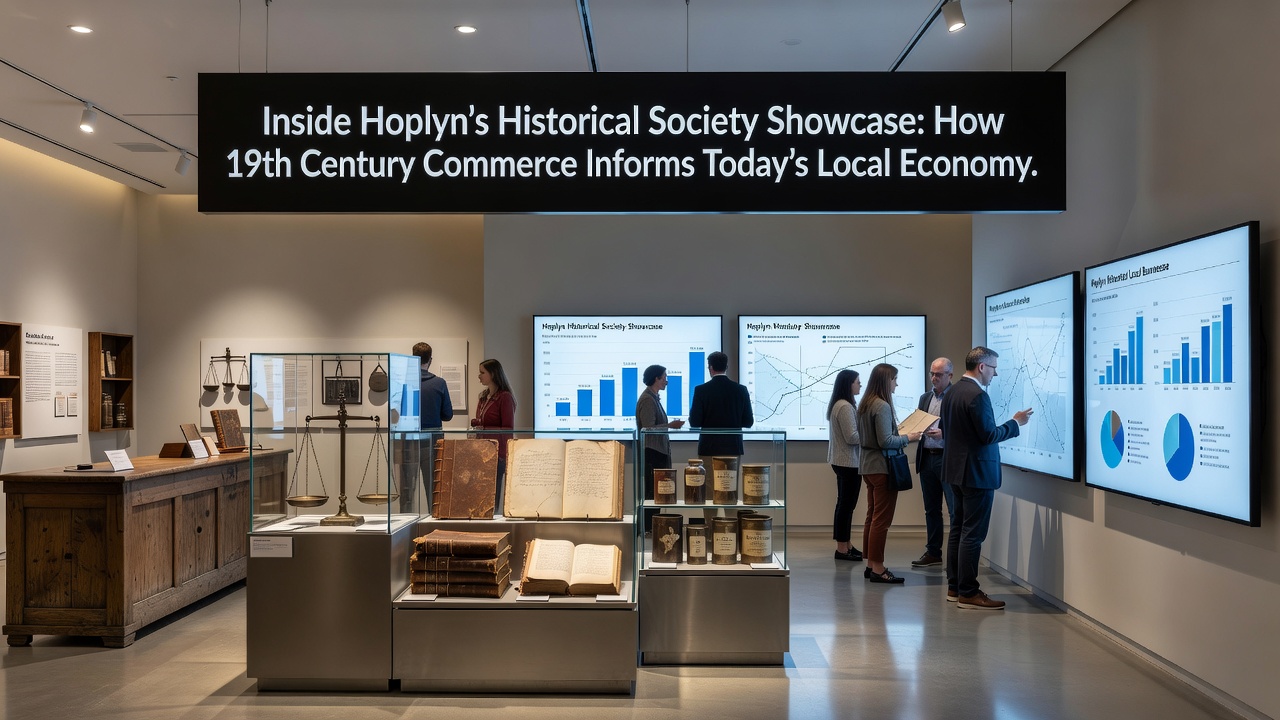
Organizers in Hoplyn have prepared an extensive showcase through the local Historical Society that examines 19th century commerce records and their direct ties to present day economic activity in the region, with the main exhibition scheduled to open in November 2026. Researchers have compiled ledgers, shipping manifests, and merchant correspondence from the 1800s that detail river based trade routes, textile production, and grain distribution networks which once defined the area. These materials now sit alongside contemporary economic reports that track manufacturing output, logistics costs, and employment figures in similar sectors.
19th Century Commerce Records on Display
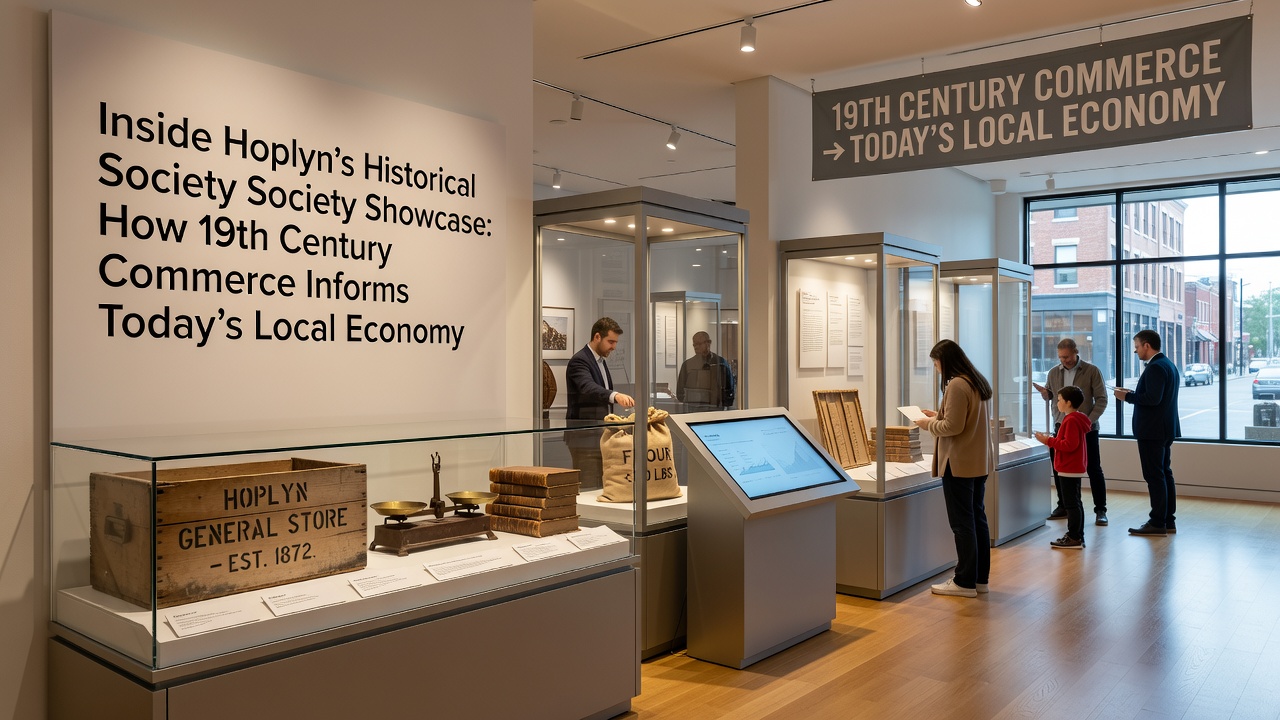
Archivists assembled primary documents showing how Hoplyn merchants relied on seasonal river traffic for moving goods to larger ports, while local mills processed raw materials into finished products for regional markets. One display features original contracts between mill owners and farmers that set prices based on harvest yields and transport availability. Another section presents census data from 1850 through 1890 that lists occupations tied to commerce, including carters, clerks, and warehouse keepers. Observers note that these records reveal patterns of credit extension and risk management that parallel current supply chain financing methods used by regional businesses today.
Links Between Past Trade Networks and Modern Logistics
Data from the 19th century indicates that Hoplyn's position along the river corridor allowed merchants to reduce transit times by 30 percent compared with overland routes, according to figures compiled by the Canadian Centre for Economic History. The same geographic advantage appears in today's freight statistics, where rail and barge combinations continue to serve industrial parks built on former warehouse sites. Exhibits include maps that overlay 1850s trade paths with current distribution centers, highlighting how infrastructure investments from the 1870s still shape zoning decisions and commercial real estate values. Researchers have cross referenced these maps with employment records from the U.S. Bureau of Labor Statistics to show that logistics related jobs have grown at a steady rate since the 1990s in corridors that match the original riverfront routes.
Case Examples From the Exhibition
One panel traces a single family owned grain operation that began in 1847 and evolved into a modern agricultural cooperative handling both domestic sales and export contracts. Ledgers from the 1860s record daily volumes that match current throughput numbers at the same location, adjusted for mechanization. Another display examines textile workshops that once supplied regional clothing manufacturers and now connect to apparel firms using similar just in time delivery practices. Local business owners who have visited the preview sessions report that the historical pricing formulas help explain why certain suppliers maintain long term contracts despite fluctuating fuel costs. The showcase also presents a timeline of banking practices, showing how 19th century promissory notes evolved into today's invoice factoring arrangements used by small manufacturers along the same streets.
Economic Data Comparisons Presented
Charts prepared for the event compare average transaction values from 1875 merchant accounts with 2024 regional GDP contributions from the same industrial categories, revealing consistent proportions in food processing and light manufacturing. Figures released by the Australian Bureau of Statistics on port city economies provide additional context, demonstrating how river access continues to influence location decisions for distribution firms. Organizers have invited economists from nearby universities to discuss these parallels during scheduled talks in late November 2026. Attendance records from similar past events show that business professionals and students together make up the majority of visitors, with many requesting copies of the digitized ledgers for further analysis.
Community and Educational Components
Workshops scheduled alongside the main exhibition teach participants how to interpret 19th century accounting methods using modern spreadsheet tools. School groups receive guided tours that focus on the evolution of labor roles from mill hands to warehouse technicians. The Historical Society has partnered with the regional chamber of commerce to distribute printed summaries that local companies can use when planning expansion projects. These materials include side by side tables of 1880 wage rates and present day equivalents, adjusted through standard inflation indices maintained by government statistical agencies.
Conclusion
The Hoplyn Historical Society Showcase assembles archival materials and current economic indicators to illustrate how 19th century commerce structures continue to influence local industry location, labor patterns, and logistics decisions. By November 2026 the exhibition will offer residents and visitors a structured opportunity to review these connections through primary documents and updated data sets. The event remains open to the public with no admission charge, and digitized versions of the core displays will stay available through the society's online archive for ongoing reference.