Gisela Powell · 8 September 2026
Hoplyn's Annual Heritage Walk Brings Forgotten Industrial Sites Into Focus
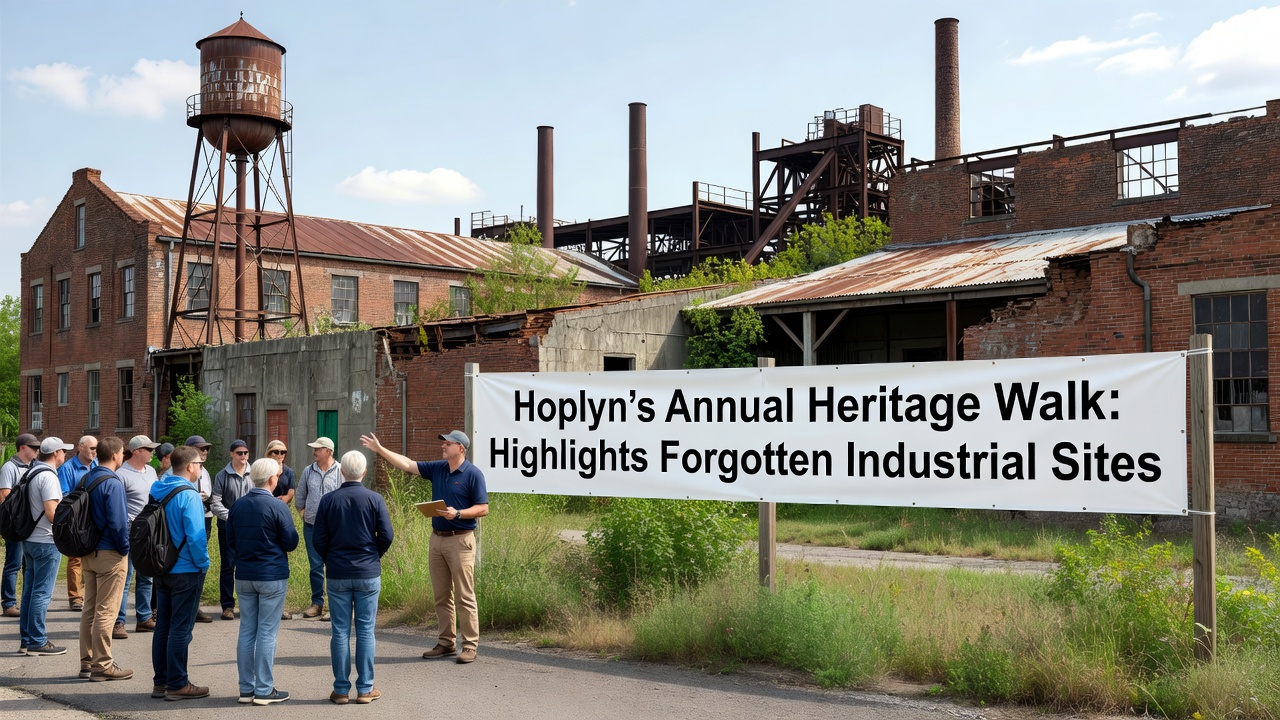
Each year the Hoplyn heritage walk organizes routes that pass through long-overlooked factories, warehouses and rail yards scattered across the region, and the upcoming edition scheduled for September 2026 follows the same pattern while adding new stops along the former textile corridor east of the city center. Organizers compile maps and background notes drawn from municipal archives, allowing walkers to examine brickwork, machinery foundations and loading platforms that once supported heavy manufacturing before the mid-twentieth century decline. Local historians prepare short talks at each location, presenting original ledgers and photographs that document employment numbers and production volumes from the sites' peak decades.
Route Details and Site Selection
Planners choose locations based on structural safety reports and accessibility assessments conducted by the regional planning authority, ensuring that participants can view interiors without entering unstable zones. One prominent stop features the shell of a nineteenth-century iron foundry whose blast furnace bases remain visible beneath layers of ivy, while another highlights a canal-side warehouse whose timber trusses still bear original stenciled company marks. Walkers receive printed guides that list exact construction dates, ownership changes and output statistics compiled from trade records held at the state library.
September timing aligns with milder weather patterns that reduce heat stress on older pavement surfaces and allow extended outdoor presentations. Attendance figures from previous cycles show steady growth, with registration data indicating that roughly forty percent of participants travel from neighboring districts to join the event. Volunteers manage crowd flow at narrow passages and provide water stations at two-hour intervals along the eight-kilometer main loop.
Documentation and Preservation Efforts
Researchers from the technical university have used the walk as an opportunity to collect laser scans of selected facades, creating digital models that support future restoration planning. These scans capture fine details such as decorative corbels and ventilation grilles that weather and vandalism have begun to erode. A companion online archive launched last year now hosts the resulting point-cloud files alongside transcribed oral histories from former workers who describe shift patterns and safety conditions inside the same buildings.
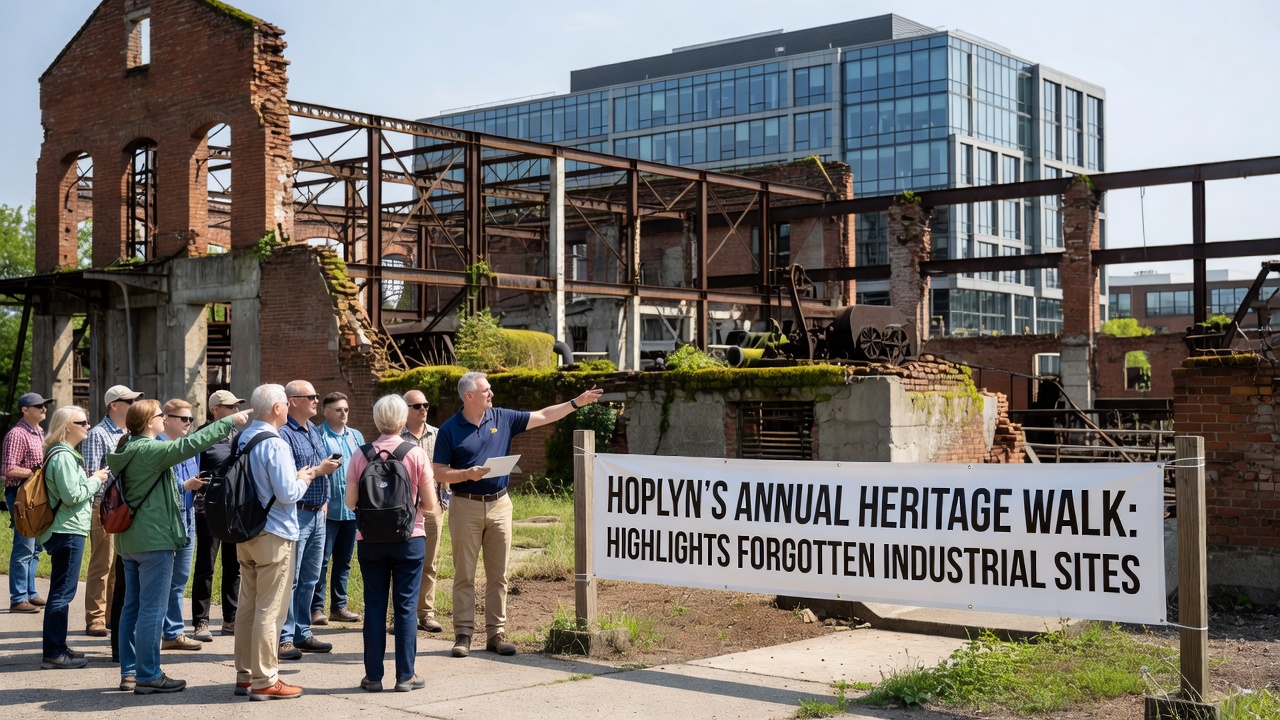
Community groups contribute additional context by supplying family photographs and workplace anecdotes that curators cross-reference with newspaper microfilm from the 1920s and 1930s. One recent addition to the 2026 route includes a former chemical storage depot whose concrete tanks now serve as nesting sites for local bird species, illustrating ecological succession on post-industrial land. Signage at the site explains soil remediation steps completed under a provincial environmental program that concluded in 2019.
Public Engagement and Educational Components
Schools in the surrounding area incorporate the walk into history curricula, assigning students to map changes in land use between 1900 and 2000 using the provided site coordinates. Teachers report that students return with questions about labor practices and technological transitions that prompt follow-up classroom discussions. Evening lectures held at the municipal library extend the conversation, featuring presentations by archivists who display original blueprints and union meeting minutes from the same industrial era.
Transportation partners operate shuttle buses between the starting point and the farthest site, reducing private vehicle traffic through residential neighborhoods. Accessibility modifications include temporary ramps at two locations and audio descriptions available via a dedicated mobile app for visually impaired participants. Organizers coordinate with emergency services to maintain clear evacuation paths and on-site medical stations throughout the day.
Conclusion
The September 2026 heritage walk continues a pattern of public programming that connects residents with physical remnants of earlier economic activity, supported by coordinated archival research, safety planning and educational outreach. Continued documentation efforts ensure that structural and historical details remain available for scholars and planners even as natural processes gradually alter the sites themselves.